The Breeding Epidemic:
The cost we’re all paying.
We are living in the middle of a breeding epidemic—and most people don’t realize how deep the damage goes.
This isn’t about one litter, one breeder(ethical OR backyard), or one bad decision. It’s about an entire system that has normalized mass production of animals while quietly shifting the consequences onto shelters, rescues, municipalities, and everyday people who care enough to step in when things fall apart.
The Myth We’ve Been Sold
Breeding is often wrapped in comforting language:
“Responsible breeder”
“Preserving the breed”
“Just one litter”
“They’re AKC registered”
But registration papers don’t prevent overpopulation. Contracts don’t stop dogs from ending up in shelters. And good intentions don’t cancel out the math.
Every intentionally bred litter enters a world where shelters are already overflowing.
Every puppy sold represents a home that could have saved a life.
And every time we buy into breeder propaganda, we reinforce a system that depends on ignoring the animals left behind.
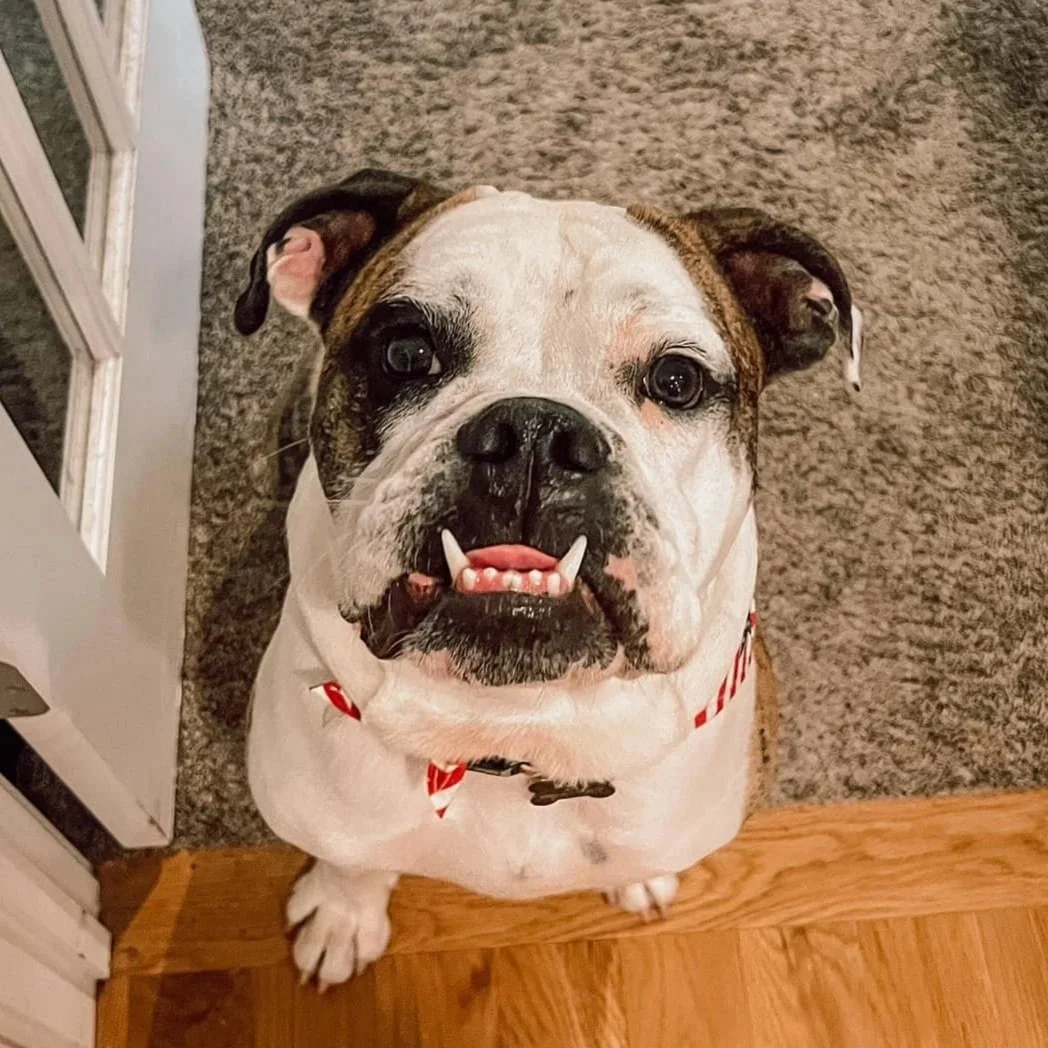
Chase, born for breeding and put on Craigslist because of Cryptorchidism. Saved by Queen City Bulldog Rescue (now Raising Rogue)
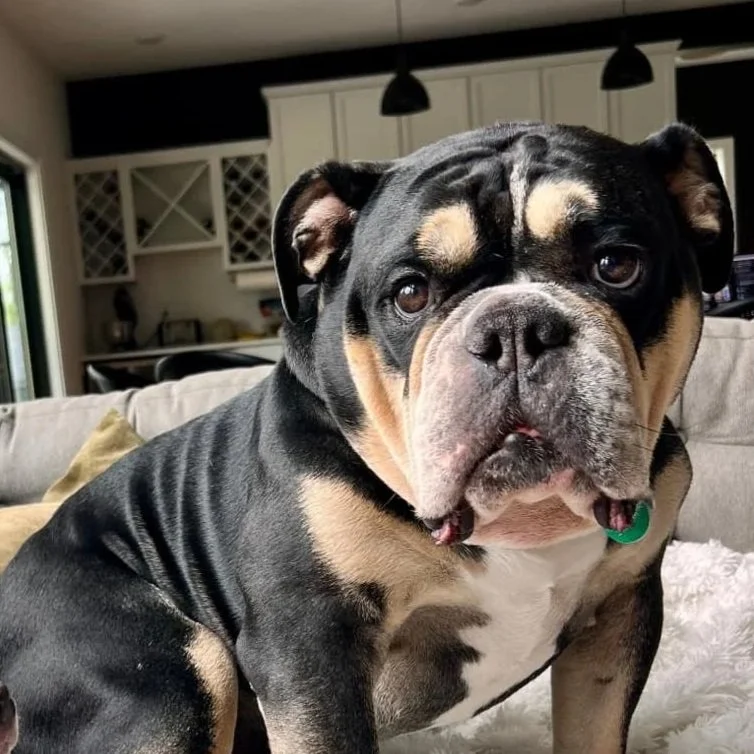
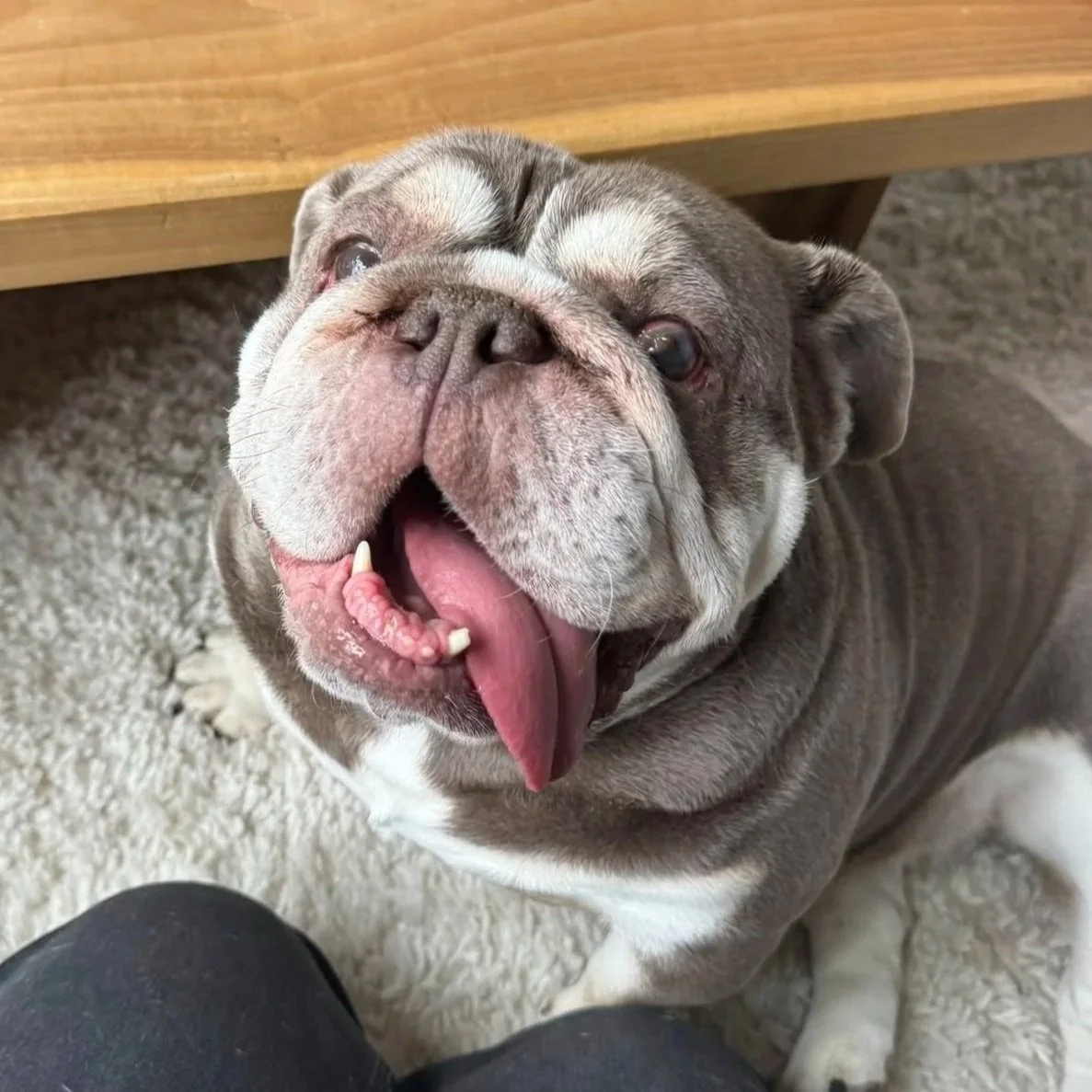
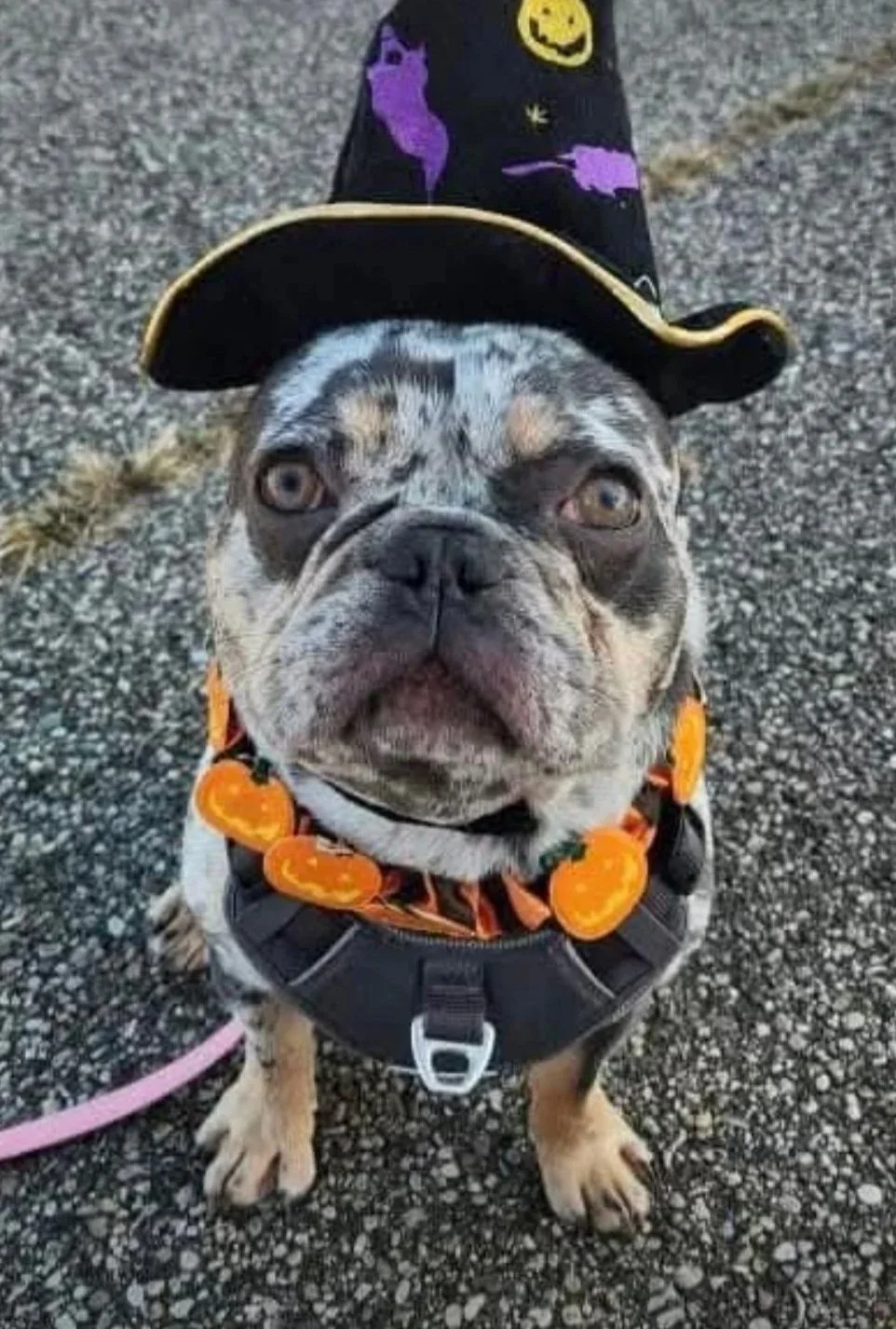
Ricardo, was due to be euthanized at 12 weeks old for a mild cyst on his eye. Surrendered to rescue.
Jojo
Clyde
How Breeding Is Crushing Animal Welfare
Shelters and rescues are not failing because people stopped caring.
They are failing because the volume has become unmanageable.
Across the country, animal welfare infrastructure is buckling under pressure:
Shelters are overcrowded beyond capacity
Staff and volunteers are burned out and traumatized
Euthanasia rates rise—not from lack of compassion, but lack of space
Behavioral deterioration increases as animals sit longer
Medical resources are stretched thin
This isn’t accidental. It’s predictable.
When animals are continuously produced faster than homes exist, the system collapses under its own weight.
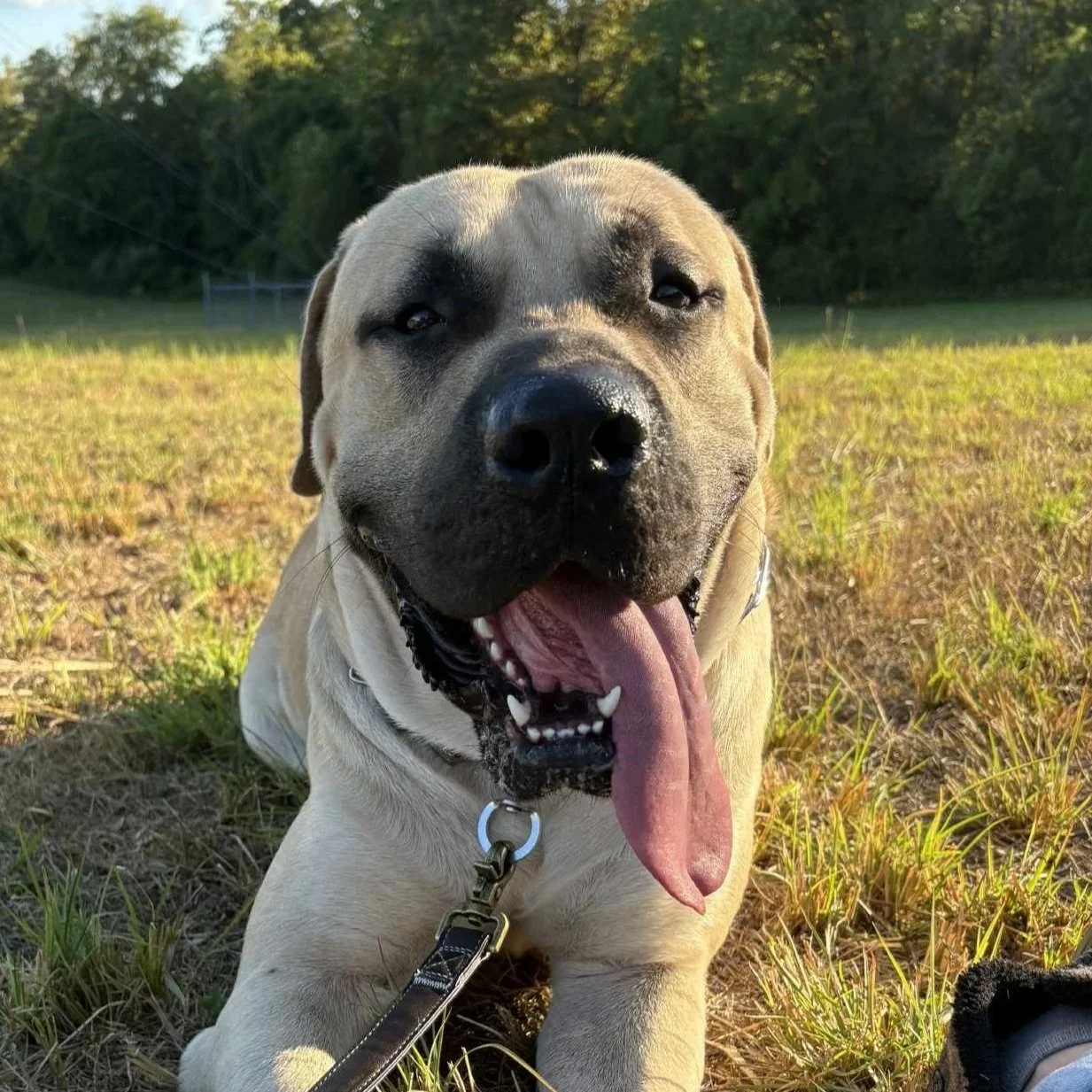
Capone, Rescued from a back yard breeder at 4 weeks old on the brink of death with worm infestation from lack of vet care
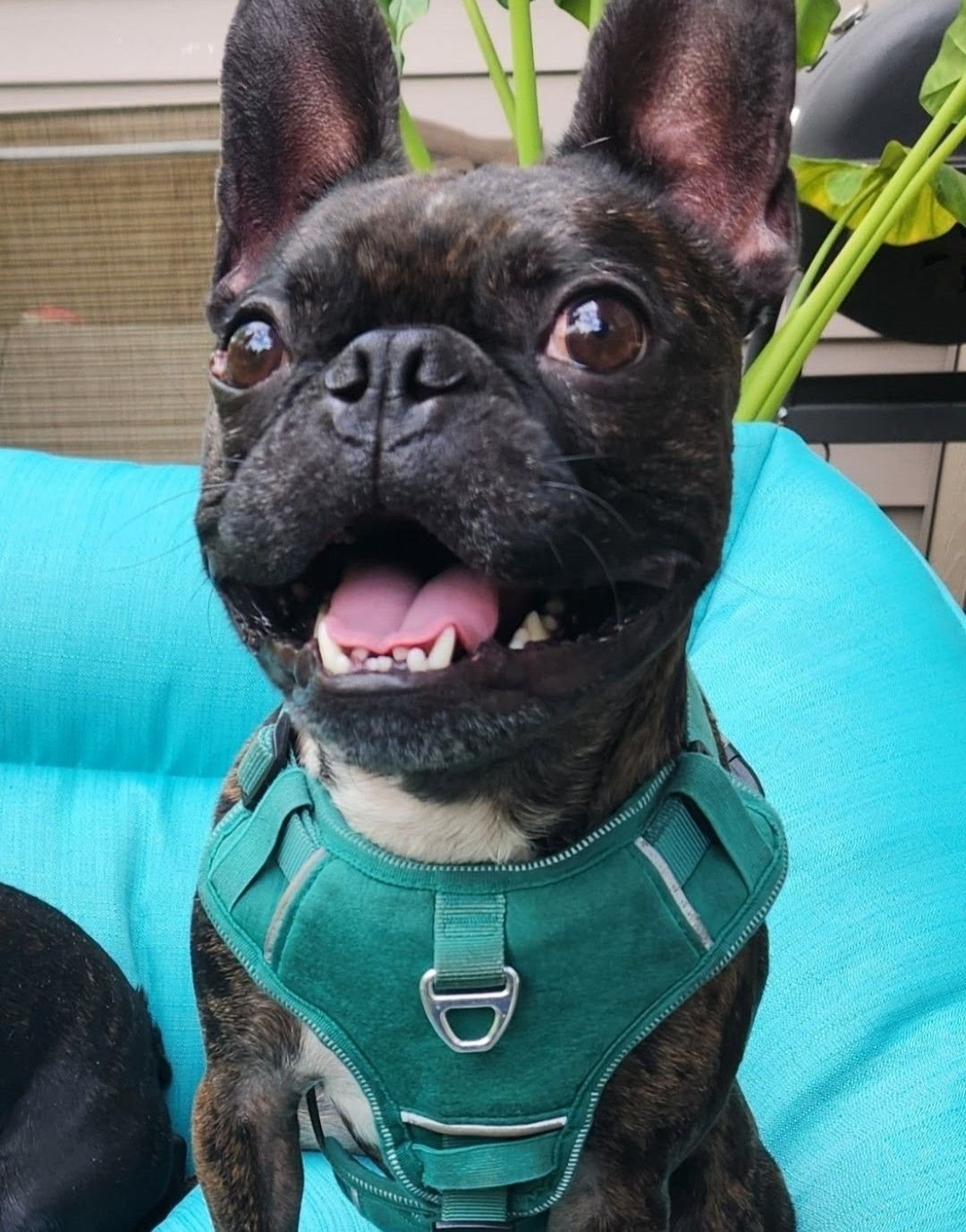
Emmitt, surrendered to rescue at 12 weeks old after being suspected to have mega esophagus ( which he didn’t) .
The Pipeline No One Wants to Acknowledge
Backyard Breeders
Someone who breeds animals for profit or personal interest without proper health testing, ethical standards, or long-term responsibility for the animals they produce, often prioritizing convenience or money over welfare
Accidental litters
When unaltered animals are allowed to reproduce due to lack of supervision or failure to spay or neuter, not because breeding was planned or ethical.
“Oops” breedings
When an owner allows intact animals to mate and later dismisses it as an accident, despite knowing the risks and responsibilities involved. These litters are preventable with spay & neuter.
These are breeders who sell animals but offer no support, accountability, or safety net if the animal is surrendered, develops medical or behavioral issues, or the buyer can no longer keep them. When problems arise, the animals are often dumped into shelters or rescues instead of being taken back by the breeder.
Breeders who take no responsibility once money changes hands
These owners were sold an unrealistic picture of dog ownership and a “guaranteed” temperament, only to discover that real dogs require time, training, and commitment. When challenges arise, the dog is often surrender or dump, adding to the shelter population.
Owners who were promised an easy, perfect dog
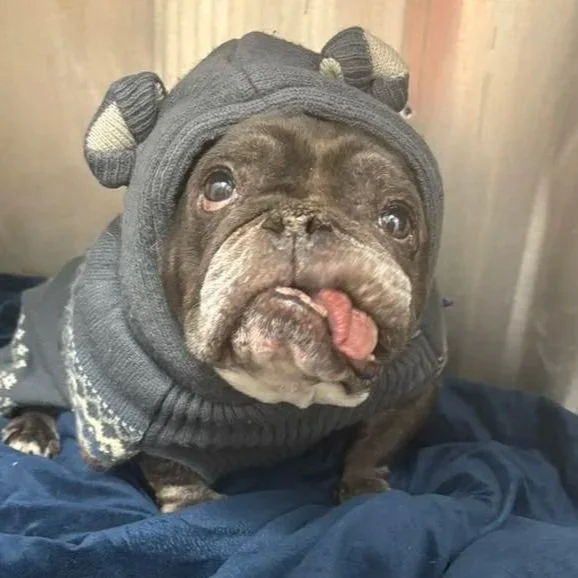
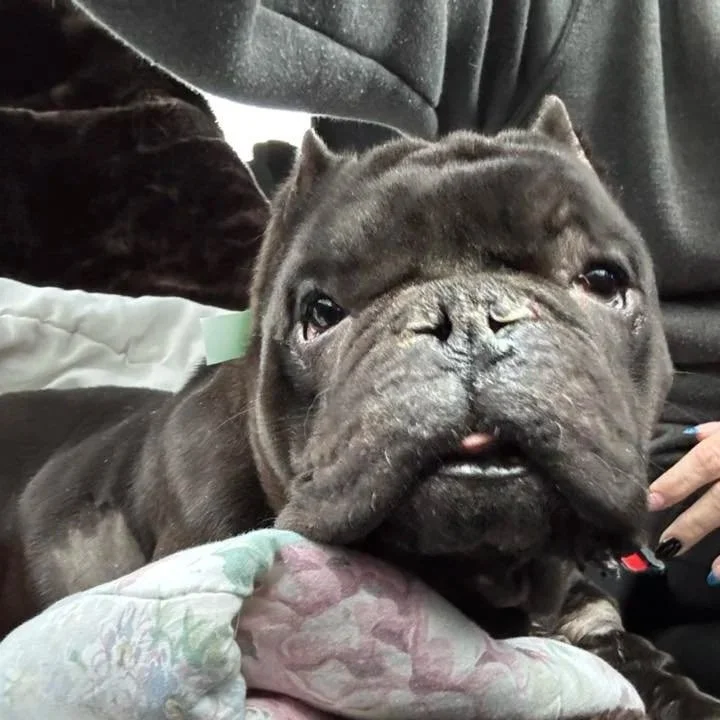
Dogs bred for exaggerated features or “designer” looks often carry inherited health conditions caused by limited gene pools and intentional genetic manipulation. When chronic medical issues, behavioral challenges, or expensive care emerge, many of these dogs are surrendered—quietly entering the same shelter system their breeding was supposed to avoid.
Genetic fallout from designer breeding
“Just one litter” mentality
“Just one litter” still counts. Well-meaning owners often justify breeding so their dog can “experience parenthood,” not realizing that dogs don’t need this to be fulfilled—and that even one planned litter adds multiple animals to an already overwhelmed system. When those puppies can’t all be placed or later lose their homes, shelters absorb the outcome.
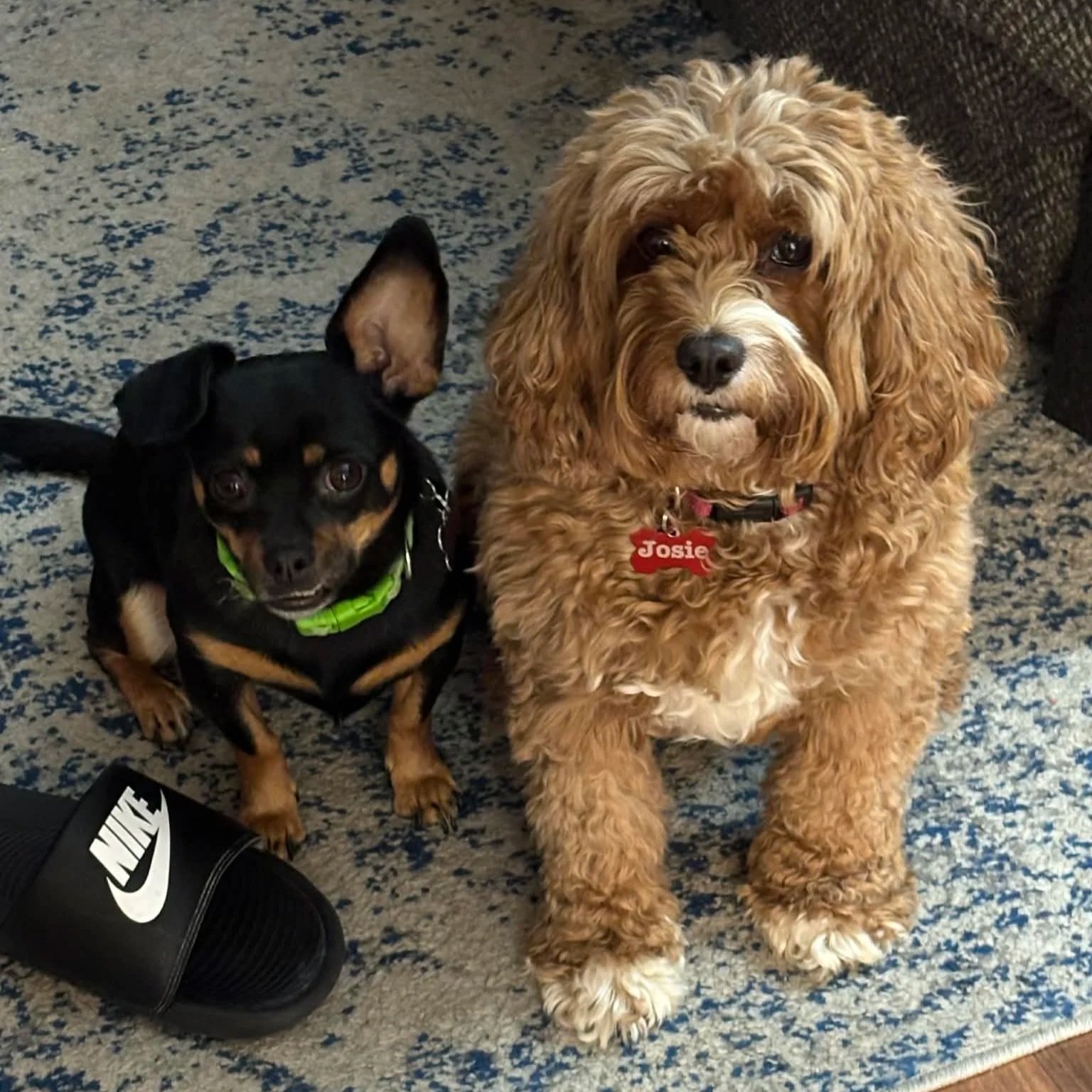
Josie, surrendered to Louie’s Legacy prior to euthanasia after being bred to the limit of her ability by an Amish puppy mill.
For 6 years, all she did was have babies and was to be discarded when she no longer could.
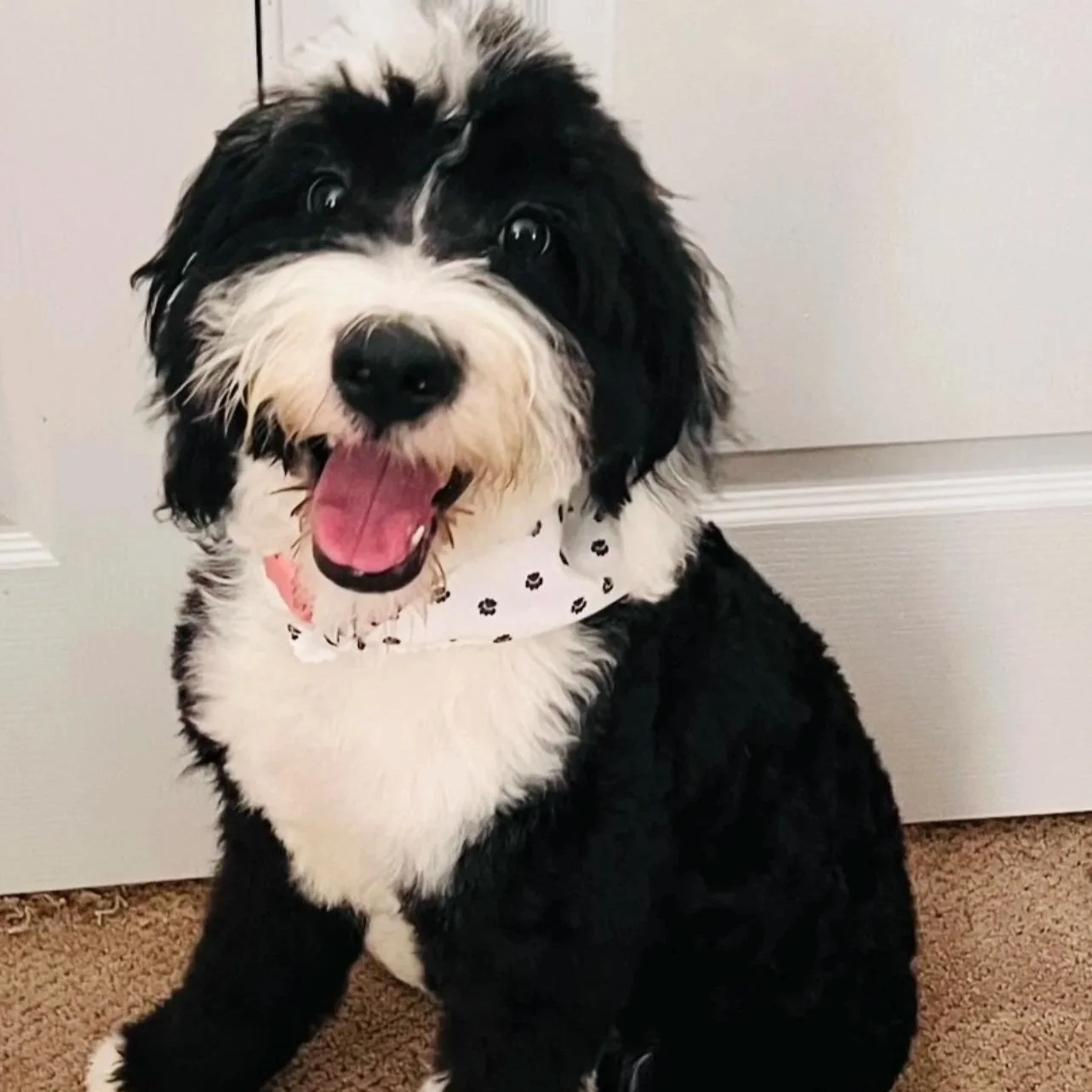
Maisie, rescued en utero from a puppy mill by Paws for Miles when her mom was very very pregnant.
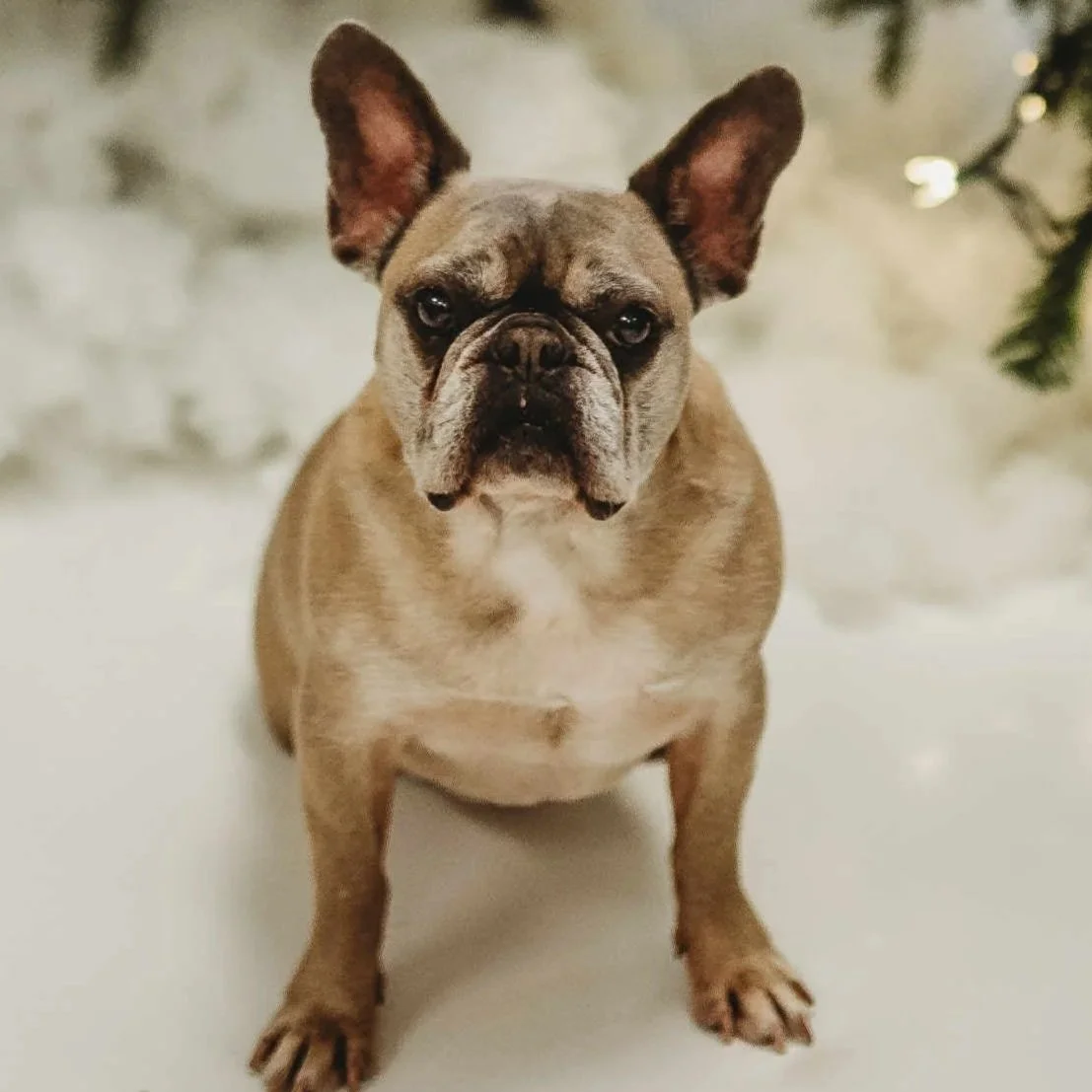
Lilo, a puppyland puppy bred with severe gastrointestinal disease, IVDD, and a long list of genetic conditions that should never have been passed on. Left on a Florida lanai in the august heat.
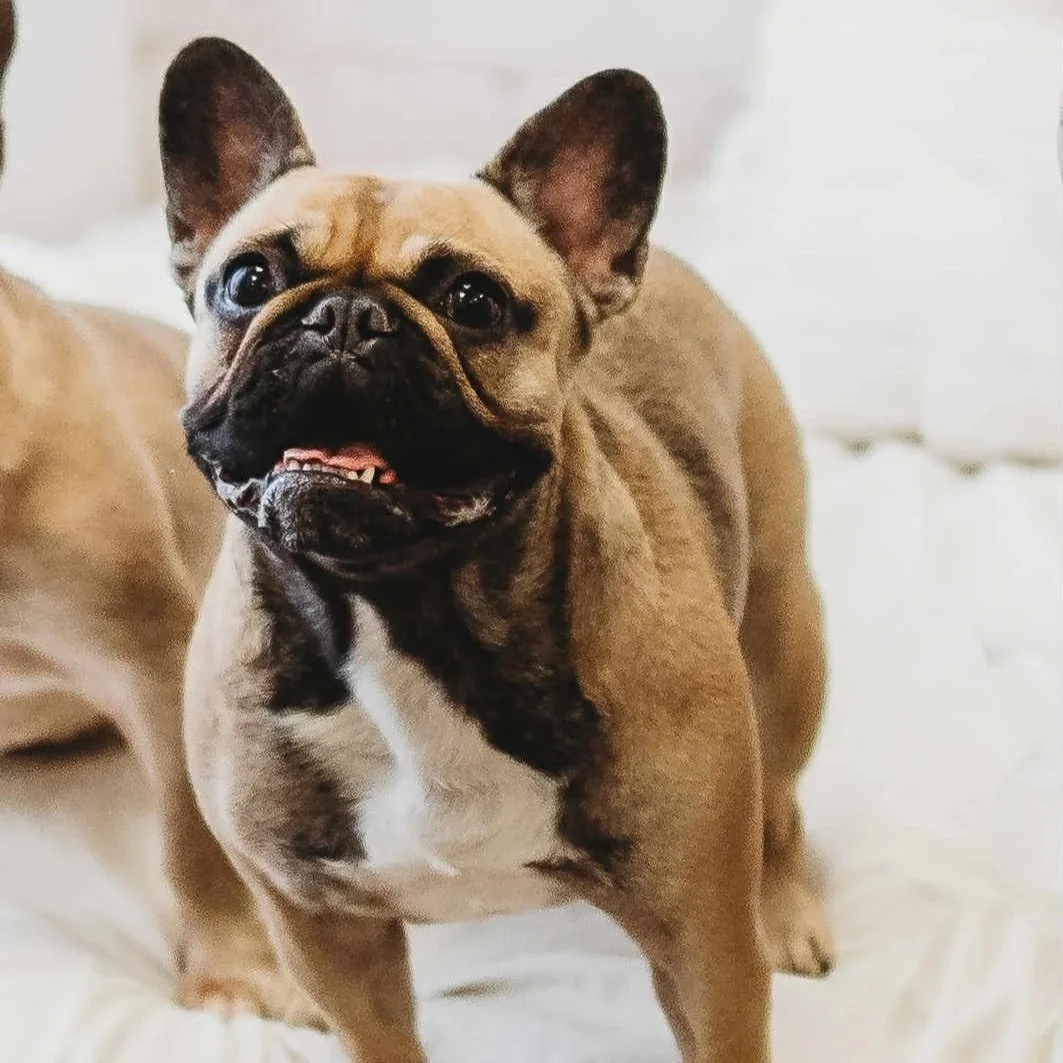
Ella was confined to a small child’s playpen(with 6 other puppies), never allowed outside and forced to live in their own waste. Her eye was so badly infected she nearly lost it, and she still has issues with it today. Her nails had grown into her paws, and constant exposure to urine and feces caused painful MRSA infections.
The Financial and Emotional Toll
This crisis isn’t just emotional—it’s economic.
Taxpayers fund municipal shelters. Donations prop up rescues. Volunteers give thousands of unpaid hours. Veterinary professionals face moral injury from impossible decisions.
And still, the flow never slows.
We cannot foster, fundraise, or volunteer our way out of an overproduction problem.
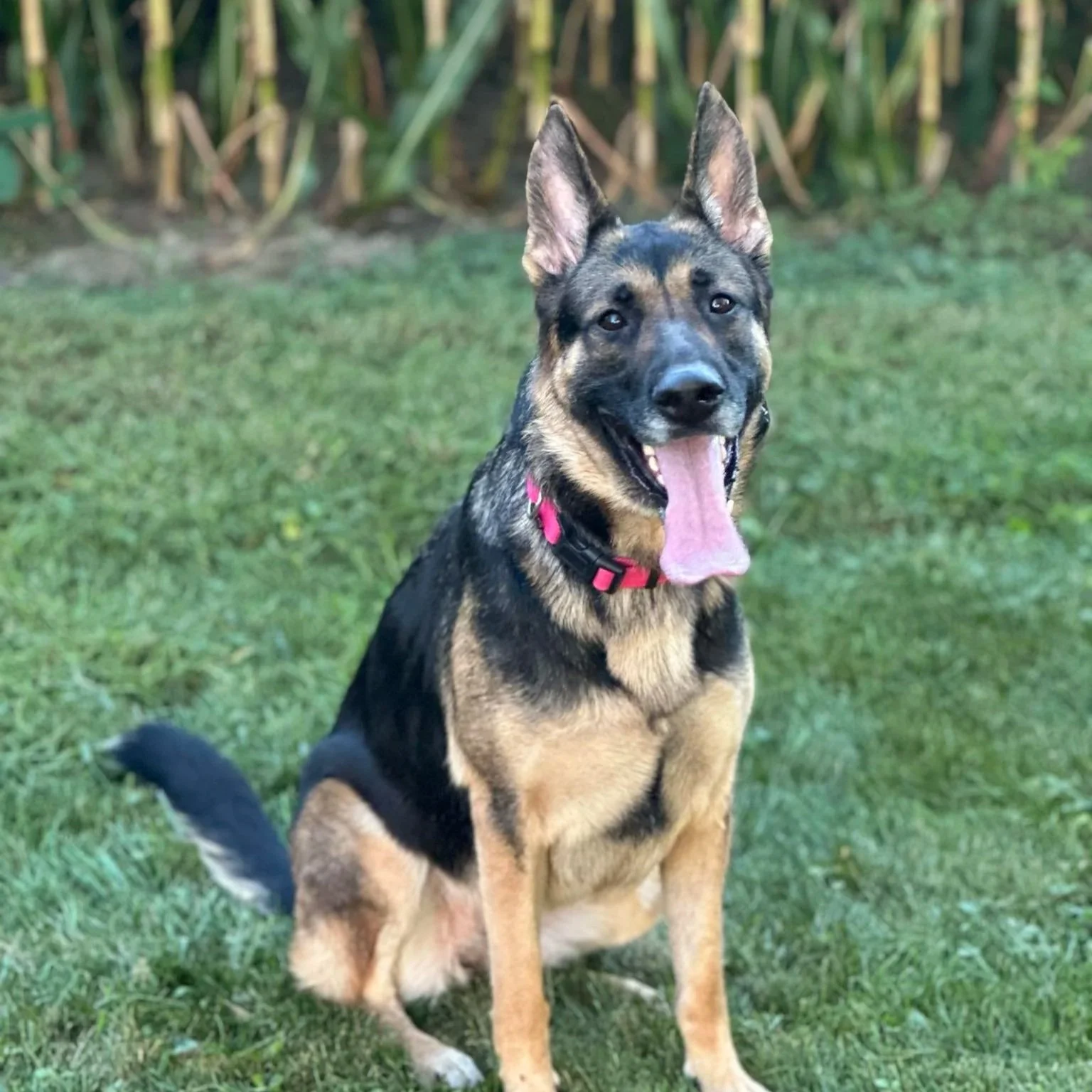
Mia, struggled since day 1 with her family. She has battled severe allergies, chronic stomach issues, empty stomach syndrome, and a deformed bladder that will eventually require diapers as she ages. She even had to learn how to lie down like a normal dog, likely due to early confinement.
Adoption Isn’t Anti-Dog—It’s Pro-Dog
This conversation is often framed as an attack on breeders or breed lovers.
It’s not.
It’s about prioritizing the dogs who already exist and desperately need homes.
Adoption is not settling.
It’s choosing to stop the cycle.
It’s refusing to participate in a system that treats animals as products while relying on others to clean up the aftermath.
What the Future Looks Like If Nothing Changes
If we continue down this path, the future of animal welfare is grim:
Longer shelter stays and increased behavioral decline
Higher euthanasia rates, even for healthy, adoptable animals
Fewer volunteers and staff willing to stay
Rescue closures due to burnout and lack of funding
Stricter surrender policies that leave families with nowhere to turn
Eventually, the safety net disappears.
And when that happens, the suffering doesn’t stop—it multiplies.
The Choice in Front of Us
We cannot claim to love dogs while supporting systems that harm them.
We cannot say shelters matter while fueling the conditions that overwhelm them.
And we cannot keep pretending this is someone else’s responsibility.
The solution starts with individual choices:
Spay and neuter
Adopt instead of shop
Stop normalizing “just one litter”
Challenge breeder narratives with facts
Support legislation and policies that reduce overpopulation
The breeding epidemic is not inevitable.
It’s a result of choices.
And it will only end when we choose differently—for the animals, for the people fighting to save them, and for the future of animal welfare itself.
Willow’s Story
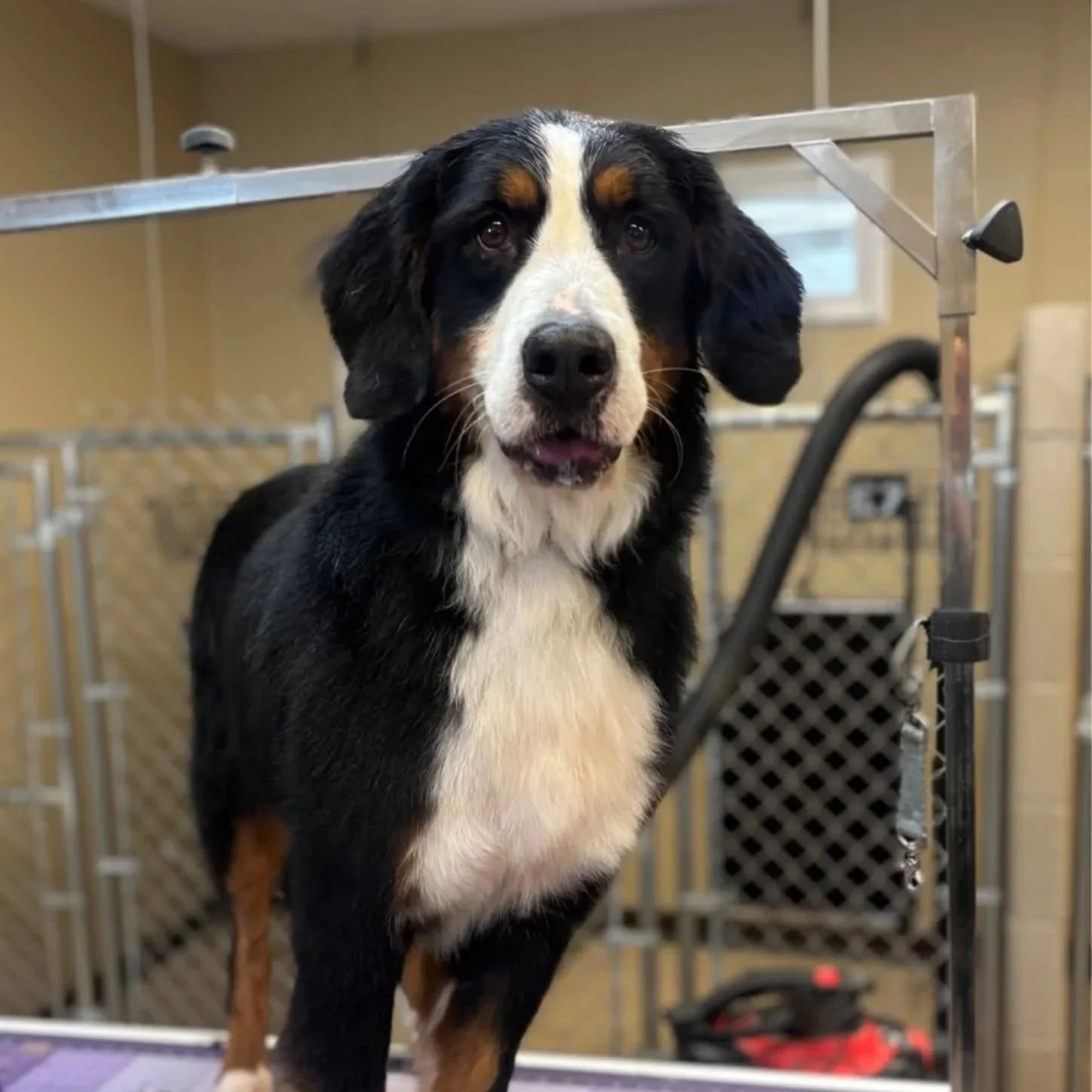
Willow was one of 70+ dogs pulled from a puppy mill in November 2023 by Paws for Miles. From what they understand, for 3.5 years while being bred, she never left a pen and they were thrown pig slop.
Her family started as fosters but chose to adopt because they knew she would be returned for not being a “normal” dog. When they brought her home, she Army crawled including when going to the bathroom. It took her weeks to eat out of a bowl.
She eventually allowed belly scratches from only those in their household and will only take treats from her mom(which took until January 2025).
She HATES being inside and causes her so much anxiety. Luckily her family set up a large kennel that is always open to their entire garage and on nice days to their yard. Her mom sits in the garage/outside every morning with her to play ball and her version of tag.
It’s taken Willow two years to get this far where her family feels she’s finally 90% dog again.
Mya’s Story
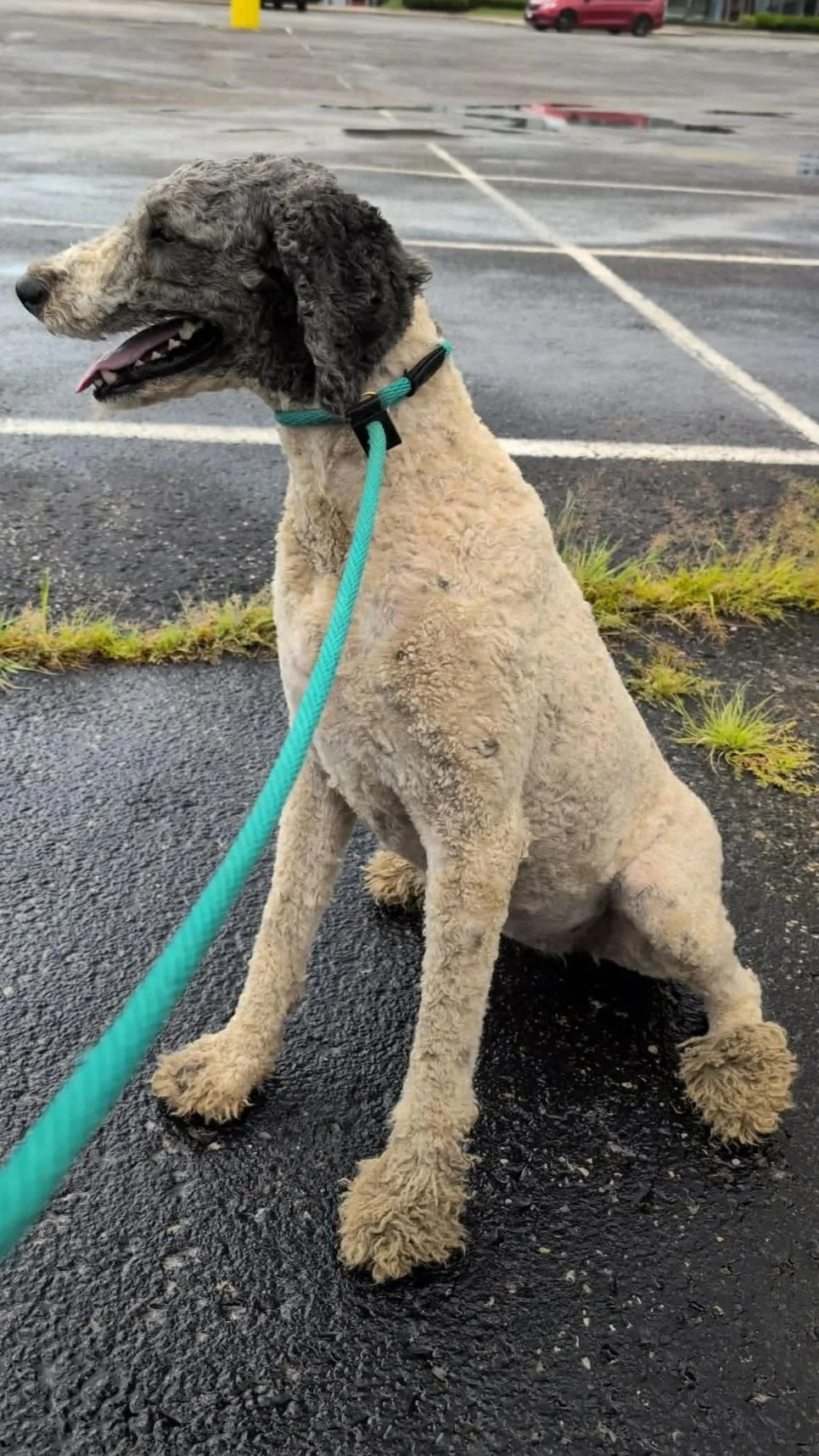
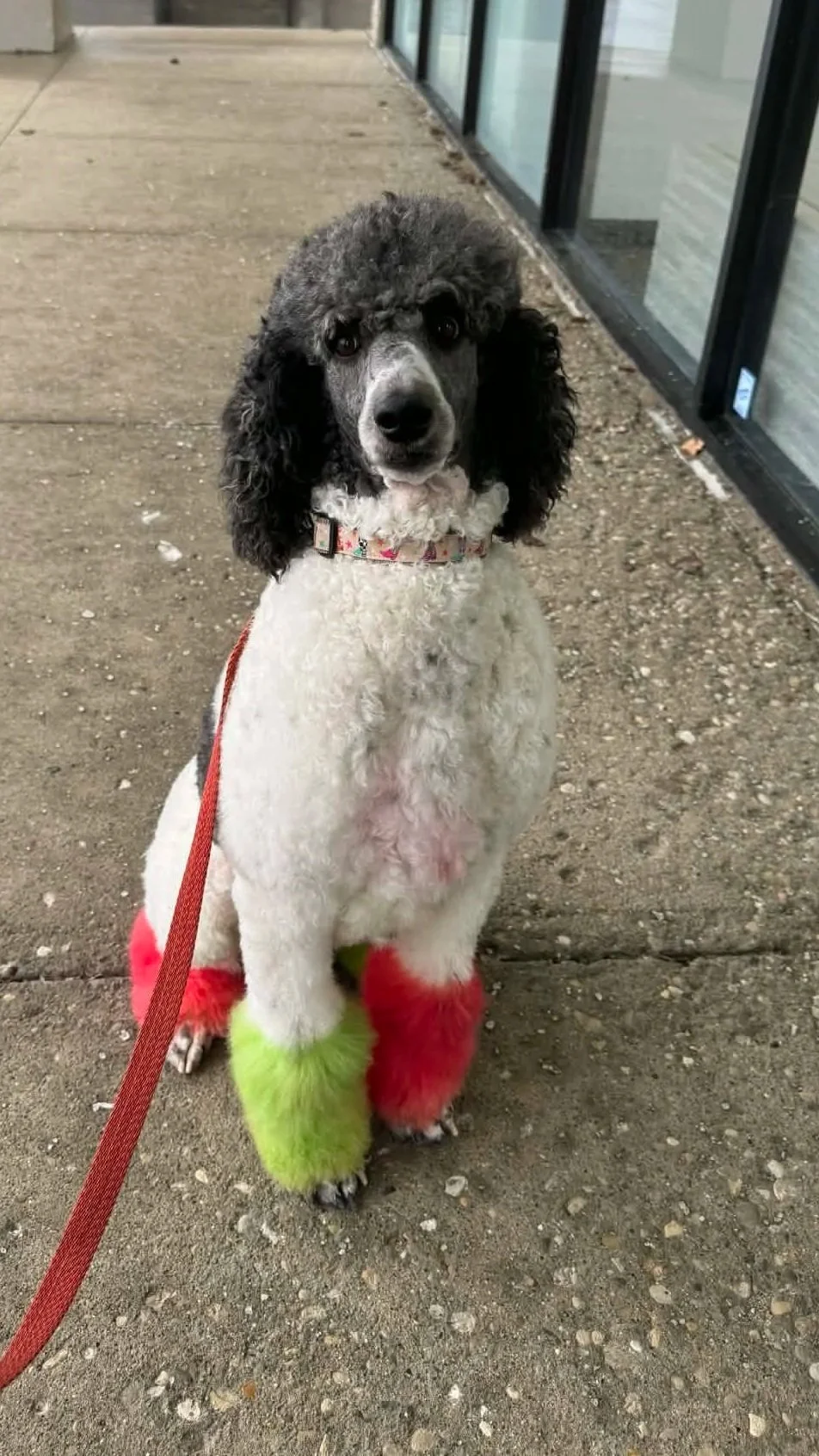
Mya spent the first 3 years of her life as an Amish mill momma. She wasn’t raised, trained, or loved—she was used.
Her world was confinement, repetition, and isolation. Her body was expected to produce again and again, with no regard for her emotional or physical well-being.
She was never someone’s “good girl.”
She was inventory.
When she came into foster care, it showed.
Mya was shut down, disconnected, and constantly on edge. She didn’t understand affection because it had never been given freely. Fear dictated her reactions, especially around other dogs—because in her past, nothing had ever been safe or predictable.
What mill life took from her was the chance to learn trust, comfort, and normalcy. What it left her with was survival.
With patience and kindness, Mya has begun to reclaim what was denied to her. She’s learning that hands can be gentle, that rest doesn’t have to be earned, and that she no longer has to protect herself from everything around her.
Her confidence is growing.
Her personality—cuddly, goofy, and deeply loyal—is finally coming through.
She now does well with other dogs.
Mya carries the weight of what she endured, but she also carries something stronger: the ability to heal.
Bojangle’s Story
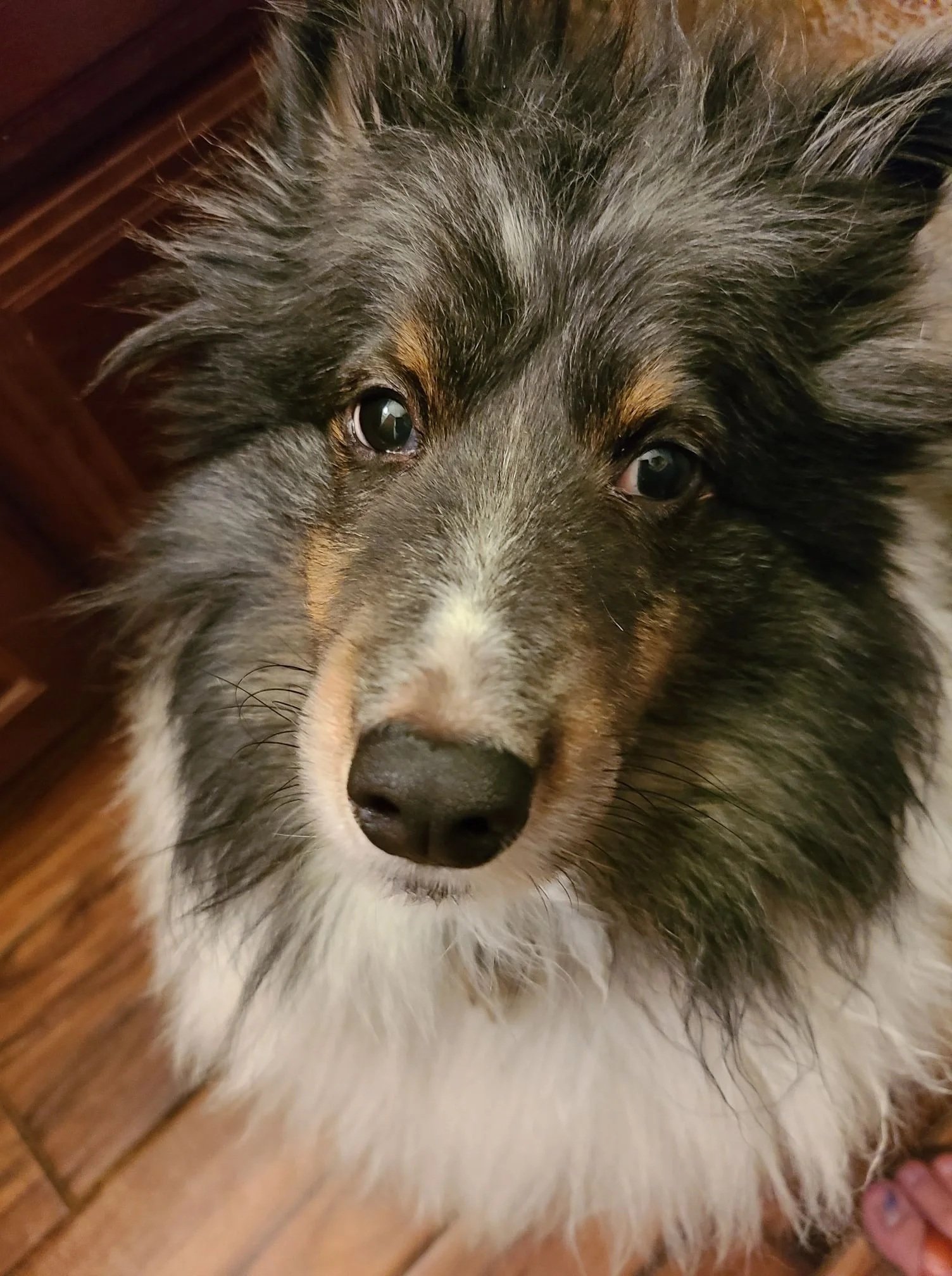
Bojangles just turned 11 and was brought home in October 2015, after he had already been returned twice to his breeder. His owners paid $500 for him—money exchanged with the promise that his struggles were “behavioral,” not medical.
The breeder told them Bojangles had been returned because he couldn’t handle being an only dog. In one home, he paced constantly, barked, cried, and never seemed to settle. He was then sold to a senior citizen, again as the only dog, and the same thing happened. Too anxious. Too much. Too inconvenient.
From the start, it was clear something wasn’t right. He is severely pigeon-toed, but more concerning was the coughing that began a month or two after they got him. When they reached out to the breeder, he told them it was likely leftover kennel cough or dog flu—something he had supposedly been treated for shortly before going home.
But their vet wasn’t convinced.
After taking Bojangles in for a full workup and requesting all of his prior veterinary records, the truth came out. He never had kennel cough. He never had dog flu. What he has is an extremely enlarged heart, so large that it presses against his trachea and causes the coughing.
The breeder knew.
Not only did they know, they had already been giving him heart medication—yet never disclosed his diagnosis, never shared the records, and never gave them the chance to make an informed decision. They sold a medically fragile dog, twice returned and already suffering, for $500 and a lie.
Bojangles also carries deep anxiety. The kind that doesn’t respond to CBD, tinctures, or a Thundershirt. The kind that lives in his nervous system. He doesn’t really know how to be a dog. He doesn’t know how to play. They’ve done everything they can to manage his anxiety and give him a life filled with comfort and safety.
But his body is failing him now.
Bojangles is in end-stage heart failure. He can’t walk more than a few steps without becoming breathless and coughing. Each movement costs him. Each day is heavier than the last. And while he is incredibly sweet, watching him struggle is heartbreaking.
Loving him means making the hardest choice.
In the next few weeks, they will say goodbye—not because they don’t want him, but because they love him too much to let him continue to suffer. His story is a painful reminder of the consequences of unethical breeding, withheld medical truths, and treating living beings like returnable merchandise.
Bojangles deserved better from the very beginning.
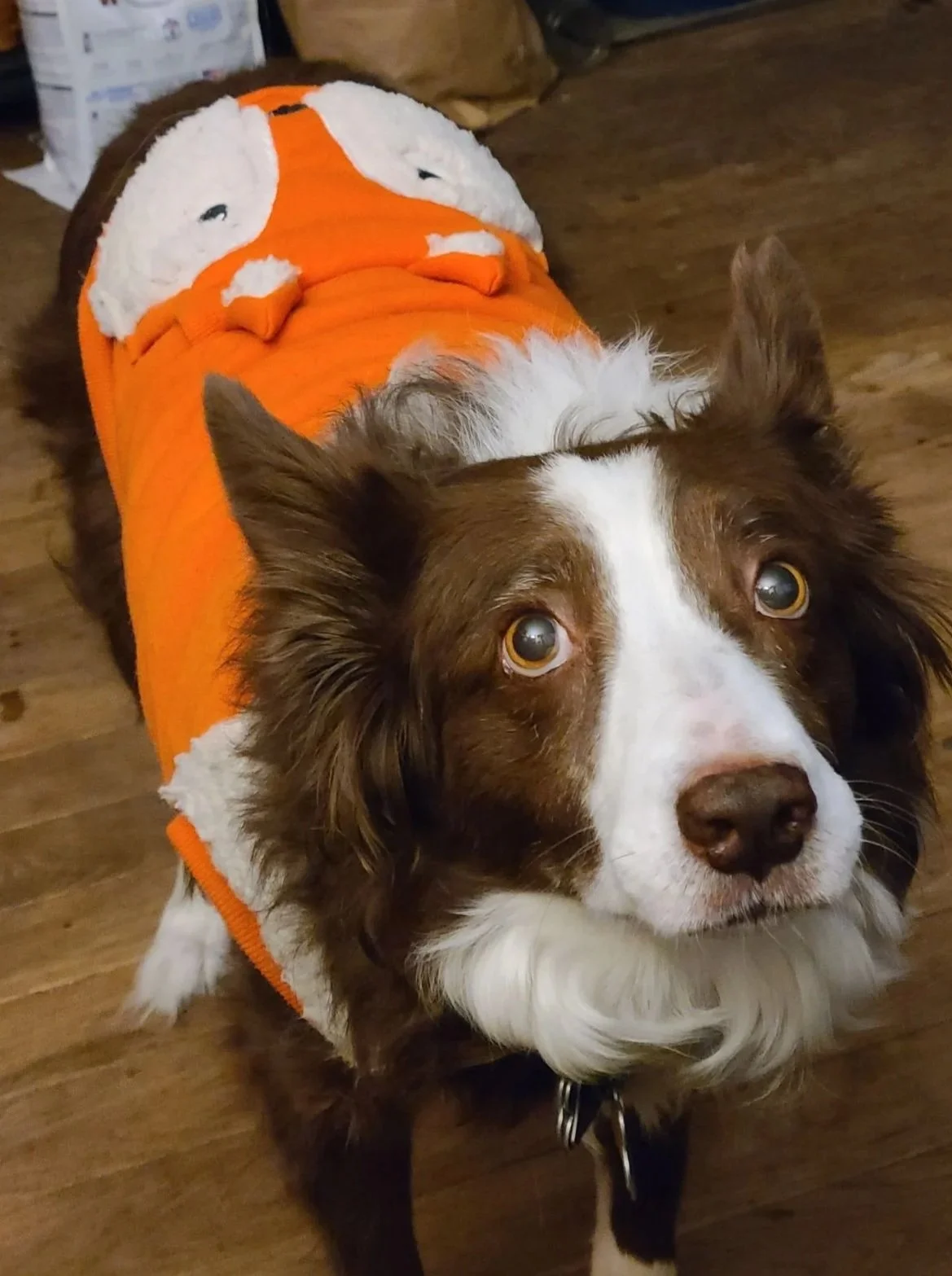
Foxy Lady
Then one day, she disappeared. My sister assumed the worst—that she had been sold or had died. A month passed. When they returned the next week, Foxy Lady was there again, sitting in a tiny kennel with a price tag on her. This time, it was impossible to ignore. Every rib showed. Her fur was severely matted. She looked like she was giving up.
That’s when my sister asked my dad if she could buy her—not because she wanted a dog, but because she needed to get her away from that woman. The plan was simple: save her, rehab her, and then find her a safe home.
That night, Foxy Lady came home.
We took her straight to the vet. She weighed just 19 pounds and was only days away from organ failure. She was peeing blood. Her canine teeth were chipped from chewing on the metal bars of her cage. One ear was torn. Scars surrounded her right eye. X-rays revealed bird bones still sitting in her GI tract—evidence of desperation, not nutrition.
She didn’t know what toys were. She had never been inside a house.
Even now, her body remembers. When she gets anxious or her stomach is upset, it growls loudly before turning into liquid stool. She’s terrified of brooms, vacuums, and loud noises—especially storms. When thunder hits, she hides in the bathroom. She has separation anxiety and will lunge at the door if you try to leave, afraid she might be abandoned again.
But despite all of that—despite the neglect, the trauma, and the pain—she is a great dog.
Foxy Lady has been with us for a little over 10 years now. She is loved. She is safe. And she is living proof of the lasting damage caused by irresponsible breeding.
So when we talk about boycotting pet stores and puppy mills, flea markets must be part of that conversation too. Buying animals from flea markets only encourages people who have no business breeding dogs to profit from neglect and abuse.
Foxy Lady survived. Too many others don’t.
This is Foxy Lady’s story.
For months, my sister and dad saw her at the White’s Farm Flea Market in Indiana. She was being sold by a backyard breeder, sitting there week after week. By the time they noticed her, she had already had a litter of puppies—puppies that were sold before anyone thought to help her.
Every time they went back, she looked worse. Thinner. More tired. More defeated.
Gremlin’s Story
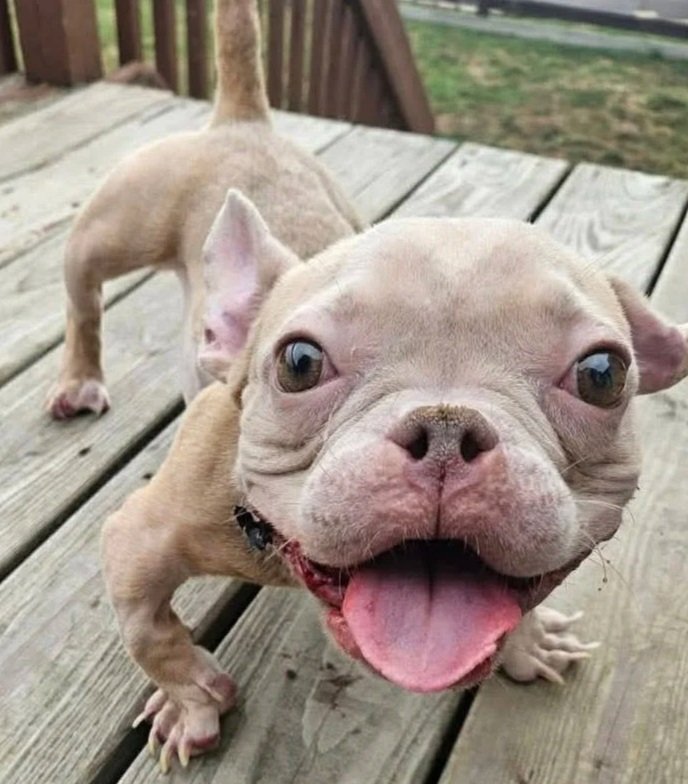
She was born in Middletown, Ohio—the product of a backyard breeder who decided to breed without regard for genetics, health testing, or the lives they were bringing into the world. Gremlin’s body tells that story better than any statistic ever could.
She was found stuffed inside a garbage bag, discarded like trash. A stranger crossed paths with the woman who would become her mom at a gas station, and together they did the one thing Gremlin had never been given before: they chose her life.
She was rushed to MedVet. The recommendation was euthanasia. Instead, her mom gave her a chance at life.
Gremlin underwent emergency surgery to open her airway and remove a polyp that was blocking 60% of her ability to breathe. It saved her life—but it was only the beginning.
Gremlin now cost over $20,000 in medical bills, and she’s still fighting.
She has pulmonary hypertension.
A collagen disorder that’s left her joints fragile and damaged.
A collapsing trachea and collapsed laryngeal area.
Scarred lungs from repeated aspiration pneumonia—damage that will never fully heal.
Eating is dangerous for her. She survives on broiled chicken and a few pieces of dry food, and every meal comes with the risk of choking. Someone must always be ready to reach into her throat if a piece gets caught.
Gremlin is not an accident.
She is the predictable outcome of backyard breeding—the genetic mutations, the corners cut, the absence of responsibility when money changes hands. She is what happens when someone breeds “for fun” and walks away from the consequences.
She is lucky to be alive.
She is deeply loved.
And she is living proof of the cost that dogs pay when humans treat breeding like a hobby instead of a life-altering responsibility.
Gremlin shouldn’t exist like this—but since she does, her story deserves to be told.